Your team

Meet the Sun-Damaged Skin Team

This site is led and medically reviewed by Yongbo Jia, MD, who examines and treats photodamaged skin here and who is responsible for the medical content. The other three physicians contribute what an assessment of sun-damaged skin often needs: the center’s surgical standards and its handling of lesions that have to be excised, the peel and light treatments that act on tone and pigment together with their limits in darker skin tones, and the surgical assessment of laxity and textural change that the surface treatments cannot reach.

Specialist profiles

Who reviews this content

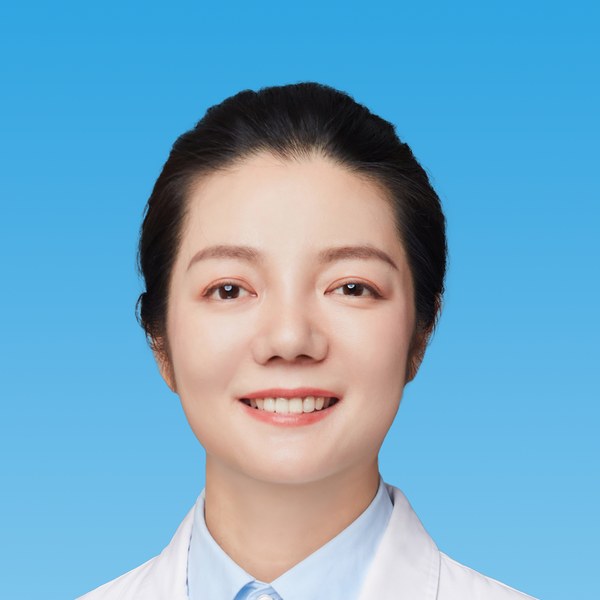
Yongbo Jia

Yongbo Jia (贾勇波)

Deputy Director & Head of Dermatology · Vice Chief Physician, Licensed Aesthetic Attending · Lead Physician of This Site

Photodamage and actinic change · pigment and barrier assessment · screening for pre-cancerous and cancerous lesions

Dr. Yongbo Jia is Deputy Director of the Plastic Surgery & Aesthetics Medical Center and head of its dermatology service at Chongqing West District Hospital, and he is the physician responsible for this site. A vice chief physician and licensed aesthetic attending, he graduated from Chengdu University of Traditional Chinese Medicine and trained in dermatology at the Institute of Dermatology, Chinese Academy of Medical Sciences, and at Chongqing Hospital of Traditional Chinese Medicine.

On this site his part is the examination that separates what can be improved from what has to be watched and what will not change at all. He looks at the whole skin surface rather than the face alone, uses a lens on any mark that has altered, and records the skin photographically so that the next visit compares rather than remembers. He treats the finding that a mark is not cosmetic as a result rather than a disappointment, orders the treatment of pre-cancerous change before any appearance plan, and tells patients plainly that protection is the only step that changes where their skin is heading. His stated discipline is to treat what is treatable and to say so when nothing should be done.

Clinical focus

  • Whole-surface examination of photodamaged skin, including scalp, ears and hands
  • Dermoscopy of marks that have changed, and the decision to biopsy rather than treat
  • Screening and follow-up for pre-cancerous change and field damage
  • Photographic recording of skin change so that follow-up compares over time
  • Separating what treatment can improve from what it cannot reach at all

Academic roles & achievements

  • Member, Jiusan Society
  • Member, Chongqing Integrative Medicine Skin & Beauty Committee
  • Advanced training at the Institute of Dermatology (Chinese Academy of Medical Sciences) and Chongqing Hospital of Traditional Chinese Medicine

The examination comes before the plan

Sun-damaged skin carries two different problems at once: an appearance that treatment can improve, and a risk of skin cancer that treatment cannot address. The examination is what separates them. A plan made from a photograph of the face answers the first question and never asks the second.
Shaoliang Wang

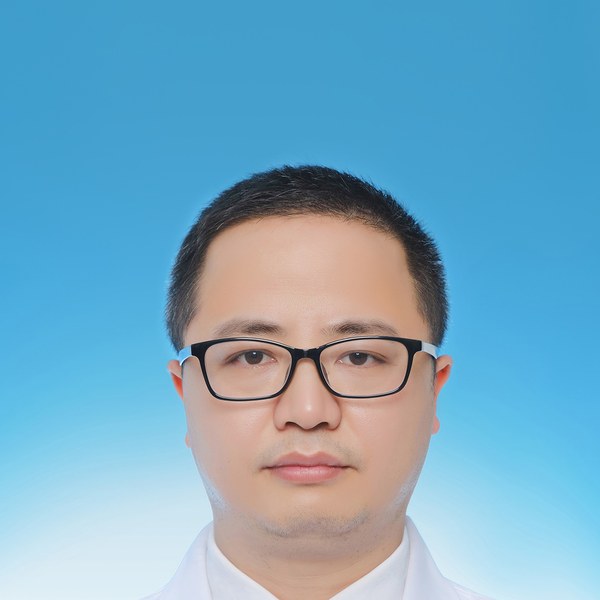
Shaoliang Wang (王韶亮)

Director, Plastic Surgery & Aesthetics Medical Center · Vice Chief Physician, Associate Professor, Doctor of Medicine

Center leadership · surgical standards and complex cases

Dr. Shaoliang Wang is Director of the Plastic Surgery & Aesthetics Medical Center at Chongqing West District Hospital. Within the team he provides the surgical perspective and the tertiary-hospital backstop — the assessment when an operation is the honest answer, and the hospital-level care for the rare complication that needs it.

Within this site his part is the standard behind any surgical step and the backstop behind it. Where a lesion needs excision rather than surface treatment, or where a mark has been treated without being examined first, patients are assessed within his part of the service.

Clinical focus

  • Center leadership and multidisciplinary case review
  • Surgical assessment when an operation is the honest answer to descent or excess skin
  • Hospital-based care for the rare complication that needs theatre-level management
Tongchun Mao

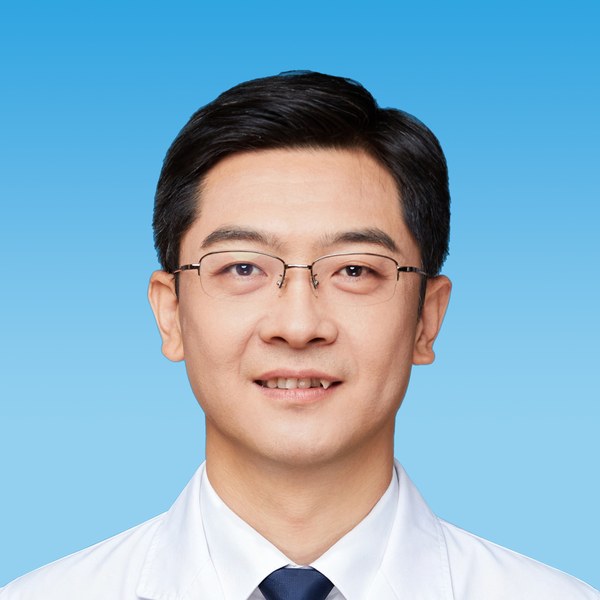
Tongchun Mao (毛彤春)

Deputy Director & Head of Aesthetic Surgery · Vice Chief Physician, Licensed Aesthetic Attending

Aesthetic surgery · laxity and textural change

Dr. Tongchun Mao is an aesthetic surgeon within the Plastic Surgery & Aesthetics Medical Center at Chongqing West District Hospital. Within the team his role is refinement and honest referral: he is the person who says so when an operation will do better than an injectable or a device.

Within this site his part is the change that no topical and no course of light can reach: the laxity and deep textural change that follow decades of dose, and the surgical assessment of whether an operation would genuinely improve it or merely add recovery to a problem it cannot solve.

Clinical focus

  • Aesthetic surgical assessment and refinement of contour and asymmetry
  • Honest referral when surgery outperforms a course of injections
  • Shared case planning within the four-physician team
Ke He

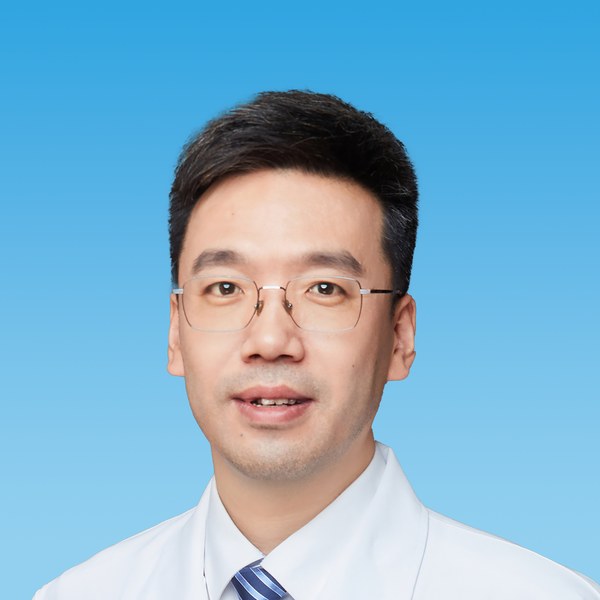
Ke He (何锞)

Deputy Director & Head of Skin & Laser Aesthetics · Attending Physician, Licensed Aesthetic Attending

Skin and laser aesthetics · the surface, tone and texture

Dr. Ke He is Deputy Director and head of skin and laser aesthetics within the Plastic Surgery & Aesthetics Medical Center at Chongqing West District Hospital. Within the team her role is the device and injectable assessment, and the honest referral when a problem needs an operation rather than a needle.

Within this site her part is the upper half of the ladder: the peel and light treatments that act on tone and pigment, the preparation and aftercare around them, and the honest judgement about which skin tones should not be treated that way at all because the risk of pigment change afterwards is too high.

Clinical focus

  • Device and injectable assessment before any treatment plan
  • Staged planning judged against standardised photographs
  • Honest referral when a problem needs an operation rather than a needle

Start with the skin being looked at

Arrange an assessment. We will examine the whole skin surface, say which changes treatment can improve and which it cannot reach, and tell you plainly that protection is the only step that changes where the skin is heading.

Contact the Team